In short
- Kerala massage
- Warm oil, flowing strokes, gentle to medium pressure; leaves you calm and sleepy
- Thai massage
- Clothed, no oil, pressure and stretching; leaves you loose and refreshed
- Choose Kerala if
- You want deep relaxation and don't mind oil
- Choose Thai if
- You feel stiff and want to stay clothed
The short answer
Choose Kerala massage if you want to relax deeply, enjoy warm oil and prefer gentle-to-medium pressure.
Choose Thai massage if you'd rather stay clothed, enjoy stretching and want to leave feeling loose and refreshed.
Both are full-body massages, and both are suitable for first-timers. The difference is in how they work and how they make you feel. Read on for the detail.
Kerala and Thai massage side by side
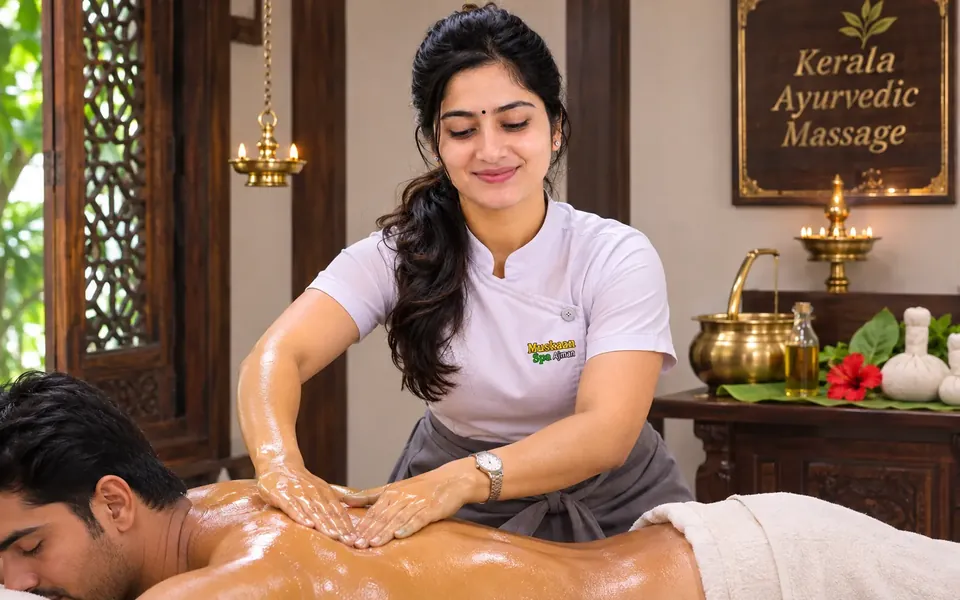
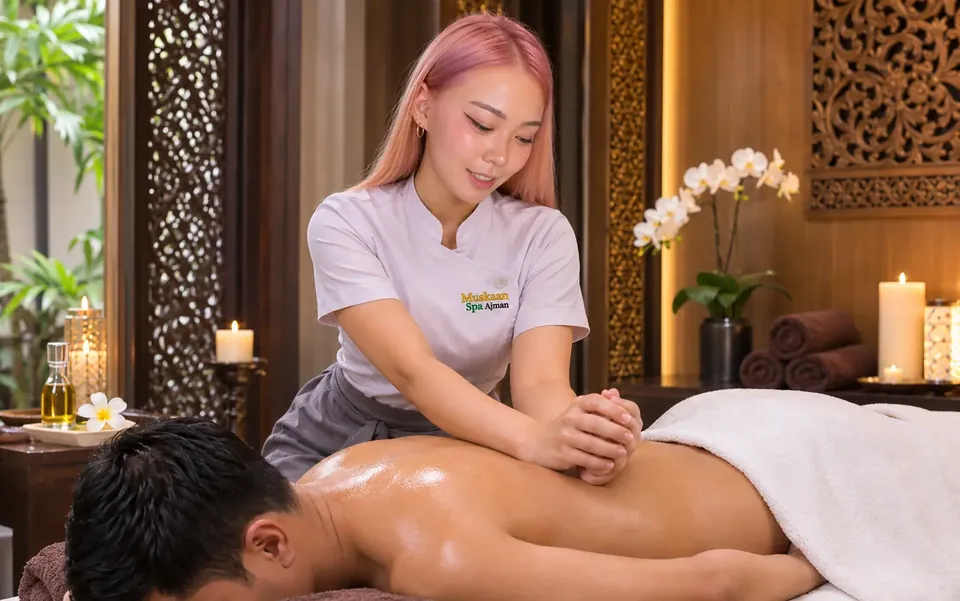
Kerala and Thai massage side by side
| Feature | Kerala massage | Thai massage |
|---|---|---|
| Origin | Kerala, south-west India; inspired by Ayurvedic oil-massage traditions | Thailand; developed alongside traditional Thai medicine |
| Oil | Yes. Warm and generous | Traditional Thai: no. Thai oil massage: yes |
| Clothing | You change and are covered with towels | Usually clothed in loose clothing |
| Main technique | Long, flowing, rhythmic strokes | Rhythmic pressure + assisted stretches |
| Typical pressure | Light to medium | Moderate to firm |
| Your role | Lie still and relax | Relax while being moved into stretches |
| Positions | Mostly face-down and face-up | Face-up, face-down, side-lying, sometimes seated |
| Pace | Slow and steady | Rhythmic, varied |
| How you may feel after | Calm, sleepy, warm | Loose, light, energised |
| After-massage practicality | Slightly oily; shower helpful | No oil (traditional); ready to go |
| Good for first-timers? | Yes. Very easy to enjoy | Yes, if you're happy with stretching |
Understanding Kerala massage
Kerala massage takes its name from the Indian state of Kerala, where oil massage has deep roots in daily life and in Ayurveda, India's traditional wellness system. A spa Kerala massage uses generous amounts of warm oil and long, continuous strokes, working from the back and shoulders through the arms, legs and feet.
The defining feature is flow. There are few sudden movements. Pressure is steady and usually gentle to medium. The oil allows the therapist's hands to glide, and the warmth adds to the sense of comfort. Many guests say the first ten minutes are when they feel their breathing slow and their shoulders drop.
Because it uses so much oil, Kerala massage leaves you feeling a little oily afterwards. Most spas wipe off excess oil with warm towels, and a shower afterwards is common.
At Muskaan Spa, Kerala massage is a relaxation treatment inspired by these traditions. It isn't a medical or therapeutic Ayurvedic programme. Read more about our Kerala massage →
Understanding Thai massage
Thai massage comes from Thailand, where it developed over centuries with influences from Indian and Chinese traditions. In its traditional form there's no oil, and you stay clothed. The therapist uses palms, thumbs, forearms, and sometimes knees and feet, to apply rhythmic pressure along the body, then guides your limbs through assisted stretches.
The defining feature is movement. You'll change positions several times. A stretch might draw your knee across your body to open the hip, lift your arms overhead, or ease your back into a gentle twist. Pressure tends to be moderate to firm, and some stretches give a strong, satisfying pull. It should never be painful.
Many people leave a Thai massage feeling lighter, looser and more awake, rather than sleepy. That makes it a good choice before going out, or for a weekend afternoon.
There's also Thai oil massage, which blends Thai pressure techniques with oil and longer strokes, and uses less stretching. It sits somewhere between the two styles. Read more about our Thai massage →
Which one should you choose?
Choose Kerala massage if…
- your main goal is deep relaxation;
- you enjoy the feeling of warm oil;
- you prefer gentle to medium pressure;
- you'd like to lie still and not be moved around;
- it's your first massage and you want something easy to enjoy;
- you're happy to shower afterwards, or don't mind a little oil.
Choose Thai massage if…
- you'd rather stay clothed;
- you love stretching, or know you need to stretch more;
- you feel stiff from sitting, driving or standing all day;
- you want to leave feeling refreshed and energised;
- you enjoy moderate to firm pressure;
- you're heading somewhere straight afterwards and don't want oil on your skin.
Still can't decide?
Try this: think about how you want to feel when you walk out. If the answer is "like I've had a nap", choose Kerala. If it's "like I've had a good stretch", choose Thai.
Or simply try both, on different visits. Plenty of our regular guests alternate depending on their week.
Scenarios: what would we suggest?
"It's been a stressful week and I can't switch off." Kerala massage, at a longer session length if you can. The slow rhythm gives your mind time to quieten.
"I sit at a desk ten hours a day and feel like a question mark." Thai massage. The stretches open up the hips, chest and shoulders. If you prefer firm pressure without stretching, consider deep tissue massage with a back-and-shoulder focus.
"I've driven from Dubai and want to feel human again." Either works. Choose Kerala to unwind before the drive home, though give yourself time to feel alert before you drive. Choose Thai if you want to feel refreshed.
"I train hard at the gym." Thai massage for mobility, or sports massage for focused work on tired muscles.
"I've never had a massage before." Kerala massage at a shorter session length. Read our first spa visit guide too.
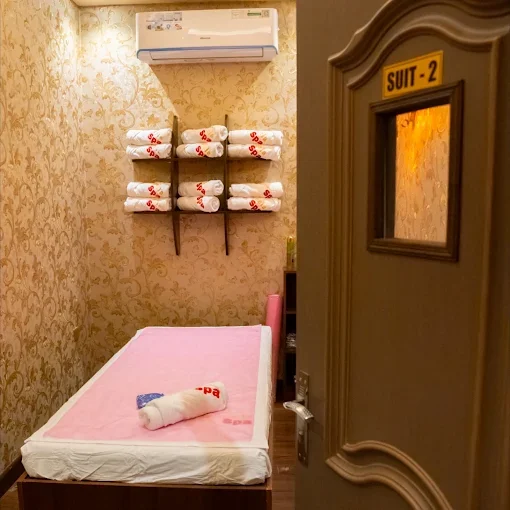
What happens in each session, minute by minute
It can help to picture the two sessions side by side.
A typical Kerala massage
- Before: a short chat about pressure and focus areas, then you change in private and lie face-down under a towel.
- Opening: warm oil is applied to the back with long, slow strokes from the lower back up to the shoulders.
- Middle: the therapist works through the shoulders, neck and arms, then the legs and feet, uncovering one area at a time.
- Turning over: you turn face-up under the towel, and the therapist continues on the front of the legs, arms and shoulders.
- Finishing: excess oil is wiped away with warm towels, and you're given time to sit up slowly.
A typical traditional Thai massage
- Before: a short chat about flexibility, pressure and any joint or back issues. You change into loose clothing.
- Opening: rhythmic palm and thumb pressure along the feet and legs while you lie on your back.
- Middle: stretches for the hips and legs, followed by pressure and stretches for the back. You may lie face-down or on your side.
- Upper body: work on the arms, shoulders and neck, sometimes in a seated position.
- Finishing: gentle pressure on the head and shoulders, then time to sit up and come round.
Kerala and Thai massage in the UAE
Both styles are well established across the Emirates. Kerala massage is especially familiar thanks to the UAE's large community from south India, and many guests grew up with oil massage at home. Thai massage became popular through spas and travel to Thailand. In Ajman you'll find both offered widely, from hotel spas to standalone massage centres. The way they're delivered varies a lot between spas, so it's always worth asking how a particular spa does it.
Can you combine the two?
Some spas offer a blend, such as a Thai oil massage, which combines Thai pressure techniques with oil and longer strokes. If you like the idea of both, ask whether a combination or a Thai oil massage is available. At Muskaan Spa, ask us on WhatsApp and we'll tell you what's possible on our current menu.
Common myths
"Thai massage is painful." It shouldn't be. Thai massage can feel strong, but a good therapist adjusts pressure and stretches to your comfort. Tell them if anything is too much.
"Kerala massage is too gentle to do anything." Gentle doesn't mean ineffective for relaxation. Many people find steady, flowing pressure more relaxing than firm work. If you want firmer pressure, you can ask.
"You need to be flexible for Thai massage." You don't. Stretches are adjusted to your body. Being honest about your flexibility helps.
"Oil massage is only for relaxation, Thai is only for stiffness." There's overlap. Both are relaxing, and both cover the whole body. The difference is the style of relaxation.
How often should you have each?
There's no fixed rule for either style. Some guests enjoy a Kerala massage once a month as a regular way to switch off. Others book a Thai massage every few weeks when they feel stiff from long days at a desk or behind the wheel. Many simply book whichever matches their week: Kerala after a stressful stretch, Thai when they feel tight and sluggish. Listen to your body, keep an eye on your budget, and choose the rhythm that feels sustainable for you.
Health notes for both
Both massages are wellness treatments, not medical care. Speak to your doctor before booking either if you have a heart condition, blood pressure problems, blood clots, a recent injury or surgery, a skin condition, or any condition you're being treated for. Thai massage involves stretching, so take extra care with back, neck or joint problems. Kerala massage uses a lot of oil, so mention any allergies or skin sensitivities.
Session length: does it matter which style?
For both styles, a longer session usually feels more complete. Kerala massage relies on an unhurried pace, and Thai massage needs time to work through the stretches properly. A shorter session works for a first try. Current session lengths and prices are on our massage prices page.
Booking either massage at Muskaan Spa
Both Kerala and Thai massage are on the menu at Muskaan Spa in Ajman. To book, send us a WhatsApp message with the style you'd like, your preferred session length and a date and time. If you choose Thai, tell us whether you'd like traditional (dry) or oil. If you choose Kerala, mention any oil or nut allergies.
Frequently asked questions
Kerala massage uses warm oil and long, flowing strokes while you lie covered with towels. Thai massage is usually done clothed, without oil, and combines rhythmic pressure with assisted stretches.
Most people find Kerala massage more deeply relaxing because of its slow rhythm and warm oil. Thai massage is relaxing too, but tends to leave you feeling refreshed and energised rather than sleepy.
Many people with everyday stiffness from sitting or driving enjoy Thai massage for its stretches. For firm work on specific tight muscles, deep tissue massage is another option.
Not for traditional Thai massage. You stay clothed in loose, comfortable clothing. Thai oil massage involves changing and towels, like other oil massages.
Kerala massage is inspired by Ayurvedic oil-massage traditions from south India. A spa Kerala massage is a relaxation treatment, not a medical Ayurvedic programme.
Both are suitable. Kerala massage is often the easiest introduction because it's gentle and you simply lie still. Thai massage suits first-timers who are happy with stretching.
Yes. Both are on our menu in Ajman. Many guests alternate between them depending on how they feel. Book either on WhatsApp.
Traditional Thai massage uses no oil, so you can head straight out afterwards. Kerala massage uses generous oil, and a shower afterwards is common.
Thai massage is more active and can use firmer pressure and stretching. It shouldn't be painful. Your therapist adjusts everything to your comfort.
This guide was written by the Muskaan Spa team in Ajman as general wellness information. It isn't medical advice. If you have a health condition, please speak to your doctor before booking a massage.